
A bag of frozen diced onion isn’t a failed fresh onion. Microwave rice isn’t a failed pot of rice. A supermarket roast chicken isn’t a failed home-cooked dinner.
They’re ingredients someone has already done part of the work on. When pain, fatigue, sensory overload or a brain that won’t sequence tasks is eating into your day, that part of the work matters. A lot.
(If “spoons” is new to you, it’s shorthand for the limited energy you have each day. Every task costs a few, and some days the drawer starts half empty. Here’s the full idea.)
I’ve lived with CRPS in my lower leg since 2020. My barriers won’t match everyone’s. Someone with CRPS in their hands, for example, hits very different walls in the kitchen than I do. So treat this as what’s helped me, plus what I’ve learned along the way, and take whatever fits your body, budget and kitchen.
The useful question isn’t “Could I make this from scratch?” It’s “Does this help me eat with the energy, money and equipment I’ve got today?”
Short on spoons right now? Jump to the starter list and screenshot it for your next shop.
What makes an ingredient an accessibility tool?
Convenience isn’t really about saving minutes. The saving that matters is everything you don’t have to do: stand, grip, peel, chop, decide, smell, sequence or wash up.
| If this is your barrier | A convenience ingredient can take away | Try |
|---|---|---|
| Pain, weakness or limited grip | Peeling, chopping, draining, lifting and stirring | Frozen diced onion, pre-cut vegetables, grated cheese |
| Fatigue or limited standing | Active cooking time and trips around the kitchen | Microwave rice, steam-fresh vegetables, ready meals |
| Executive dysfunction | Planning, sequencing, timing and decisions | Salad kits, simmer sauces, anything with packet directions |
| Sensory load | Strong smells, noise, wet textures and visual clutter | Frozen onion, peeled boiled eggs, single-serve portions |
| Capacity that changes day to day | Fresh food going off before you can get to it | Frozen vegetables, tinned legumes, shelf-stable grains |
Accessibility is personal, and packaging proves it. A ring-pull tin is brilliant right up until your fingers can’t get under the tab. A pouch saves lifting a heavy jar, then refuses to tear. Start with your biggest barrier and pick the format that removes it.
Convenience ingredients you can find in Australian supermarkets
Coles, Woolworths, ALDI, IGA and most independents carry some version of nearly everything below. Range, packet size and price vary by store, so the category matters more than the brand.
1. Vegetables with the prep already done
- Frozen diced or sliced onion. No peeling, no chopping board, no onion tears. It goes straight from the freezer into a hot pan, soup, curry or slow cooker.
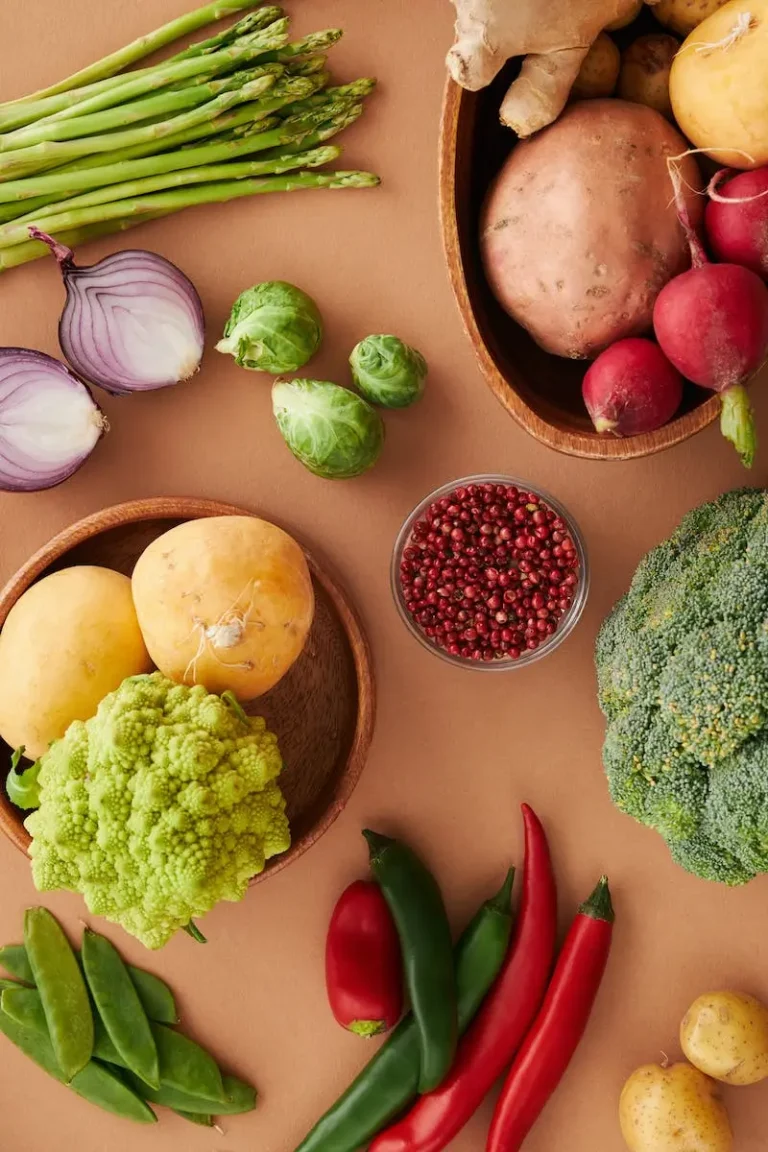
- Frozen mixed vegetables, broccoli, spinach, cauliflower rice or stir-fry mixes. Use a handful, put the bag back. Nothing goes slimy in the crisper while you wait for a better day.
- Fresh pre-cut pumpkin, sweet potato, stir-fry mixes or vegetable sticks. Worth it when the knife is the problem. Pumpkin in particular: I’m not wrestling one of those on a bad leg day.
- Bagged slaw, salad leaves and salad kits. Open, tip, add a protein. Use the included dressing and toppings if they work for you.
Woolworths’ Prep Set Go frozen diced onion, for example, is just onion. The range of prepped fresh and frozen veg keeps growing, and the Australian Dietary Guidelines count frozen vegetables and lower-salt canned foods as nutritious options.
2. Carbohydrates that don’t need a saucepan
- Microwave rice or grain pouches. Usually ready in about 90 seconds. Tip into a bowl, or eat carefully from the pouch if the packet says that’s OK.
- Microwave pasta, noodles or quinoa cups. Handy when draining a heavy pot of boiling water is unsafe or just exhausting. If you eat low carb, konjac noodles and rice now come in ready-to-eat pouches too.
- Frozen mash, potato gems, wraps and bread. Reliable bases that turn a pile of separate things into a meal.
- Instant couscous or quick oats. Add boiling water or microwave, then leave them to stand.
Coles currently has a whole microwave rice range, including plain basmati, long-grain and brown rice. Plain is the most flexible. Flavoured saves you choosing seasonings, which on some days is the bigger win.
If you’d rather not heat food in plastic, tip it into a microwave-safe bowl first. Check the packet, though, as some products are designed to be heated in their pouch.
3. Protein that’s ready, or nearly ready
- Supermarket roast chicken. Wraps, salads, rice bowls, soup, toast. One chook, several meals.
- Cooked chicken pieces, meatballs or falafel. Heat only what you need.
- Tinned chickpeas, lentils, kidney beans or baked beans. Choose no-added-salt when you can find it.
- Eggs, peeled boiled eggs, tofu, yoghurt, cheese and nut or seed spreads. Protein without cooking meat.
- Frozen crumbed chicken, veggie patties or dumplings. Predictable portions with clear air fryer or oven instructions.
If you have allergies or intolerances, read the label every time. Recipes and manufacturing change even when the packet looks exactly the same.
4. Flavour without a row of bottles
- Jarred pasta sauce, curry simmer sauce, pesto or salsa. One jar replaces a handful of ingredients and a dozen seasoning decisions.
- Minced garlic, ginger paste, herb tubes and frozen herb portions. No peeling or fine chopping. Fresh garlic is a bit punchier, but jarred works perfectly well in almost everything.
- Stock powder, liquid stock and seasoning blends. Flavour without building it from scratch.
- Bottled dressings, aioli, hummus and dips. Instant sauce for bowls, wraps, vegetables or leftover chicken.
Buy flavours you already know you like. The most accessible jar in the world doesn’t help if it’s sitting at the back of the fridge growing a small civilisation.
A simple way to build a meal
The 1 + 1 + 1 formula
When deciding what to eat feels like one more job, this takes the decision away: one protein, one carb, one fruit or vegetable. Add a ready-made flavour if you want it.
You don’t need all three at every meal for it to count. The mug is a separate column, and it’s allowed.
| Protein | Carbohydrate | Fruit or vegetable | Optional flavour |
|---|---|---|---|
| Roast chicken | Microwave rice | Bagged slaw | Bottled dressing |
| Tinned lentils | Microwave quinoa and rice | Frozen spinach | Curry simmer sauce |
| Boiled eggs | Toast | Pre-cut vegetable sticks | Hummus |
| Frozen meatballs | Microwave pasta | Frozen mixed vegetables | Jarred pasta sauce |
| Greek-style yoghurt | Quick oats | Frozen berries | Honey or seeds |
No-cook counts too
- Cheese, crackers, vegetable sticks and hummus
- Yoghurt, cereal and fruit
- Roast chicken, a bread roll and bagged salad
A snack plate is a meal. I’m not changing my mind on that one.
One meal, three spoon levels
Same idea, three amounts of effort. Pick whichever matches your spoons today. None of them is the “proper” one.
No-Spoons Day: assemble and heat
- Microwave a rice pouch following the packet directions (usually 90 seconds).
- Tip the rice into a microwave-safe bowl.
- Add ½ a 400 g tin of lentils. Draining is optional. Undrained just makes it saucier.
- Add 1 cup of frozen mixed vegetables and 2 tablespoons of curry simmer sauce.
- Cover and microwave for 2 minutes.
- Stir, then microwave for another 1–2 minutes, until it’s steaming hot all the way through.
No rice today? Baked beans on toast. Yoghurt with cereal and fruit. A cold snack plate. All dinner.
Low-Spoon: combine supermarket components
- Tip a salad kit into a large bowl (or eat it straight from the bag and save a bowl).
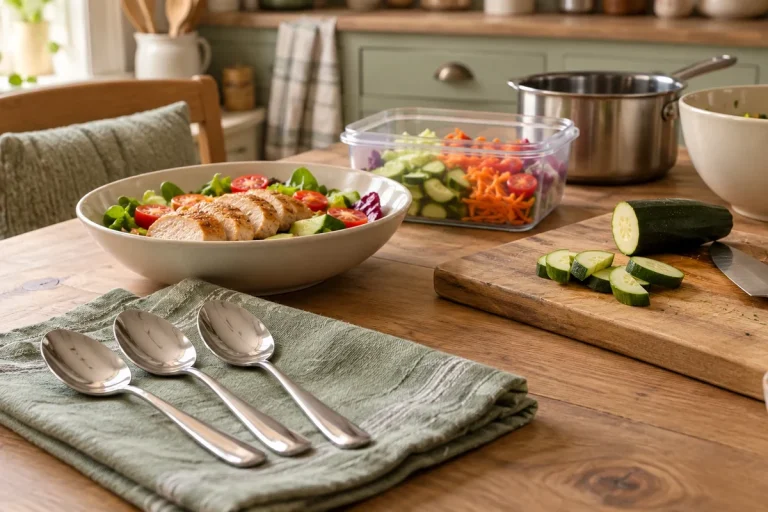
- Add a couple of handfuls of shredded roast chicken.
- Toss with the included dressing.
- Add a bread roll or a microwave rice pouch if you want something more filling.
More-Spoons Cooking: add one extra flavour step
Start with the Low-Spoon version, then add one thing if you’ve got the capacity: toasted seeds, a squeeze of lemon, a few fresh herbs, or a quickly pan-fried vegetable.
The extra step is an option, not the price of admission. Fresh herbs are lovely. The half-dead parsley in the fridge is optional.
Eating during a flare
Everyone has an opinion on this. My honest answer is that there isn’t a right one.
When my CRPS flares, eating drops a long way down the priority list. Pain flattens my appetite. Unfortunately, my body still needs fuel, even after it’s decided food sounds optional.
What works for me is focusing on two things: fluids with electrolytes, and whatever food I can manage. Protein drinks and nutritionally complete meal replacements earn their place here, because they ask almost nothing of me. That’s my approach, not a prescription.
A couple of emergency meals in the freezer or pantry can help, but they’re not compulsory. Toast counts. Delivery counts. Cereal at 3 pm counts. The aim is getting through the day, not perfect macros.
Convenience, nutrition and labels
“Convenience food” covers a lot of ground. Frozen peas, tinned lentils, a salad kit and a frozen pizza are all convenient, but they do very different jobs. They don’t need one rule.
This is where my nutrition-nerd brain and my actual kitchen meet in the middle:
- Start with the barrier you’re solving. Prep, cooking, appetite, texture, clean-up or decisions.
- Read the nutrition panel, not the front of the pack. Only if you’ve got the capacity to compare. “Wholesome” and “natural” are marketing words, not measurements.
- Salt matters for you? Look for no-added-salt or reduced-salt versions. Draining and rinsing tinned legumes also cuts some of the sodium.
- Allergies? Check the ingredient list and allergen statement every time.
- On a therapeutic diet or managing a complex condition? A dietitian can help you find options that are both manageable and right for you.
The Baker Heart and Diabetes Institute also suggests prepared salads, pre-chopped vegetables and frozen veg as practical ways to get more vegetables into convenience meals.
A quick word on food safety
Shortcuts only help if they don’t make you sick on top of everything else.
- Get leftover roast chicken into the fridge within 2 hours of buying it, and eat it within 2–3 days.
- Reheat rice and leftovers until they’re steaming hot all the way through.
- Don’t leave cooked rice sitting out on the bench. Fridge it or freeze it.
- If you can’t remember when you opened something, you’re allowed to bin it.
Budget without judgement
Yes, convenience ingredients often cost more per kilo. You’re paying someone else to wash, cut, cook, portion or freeze them. That doesn’t automatically make them poor value.
What matters is the usable cost. A whole pumpkin isn’t cheaper if half of it goes soft in the fridge because cutting it wasn’t happening this week. A smaller frozen bag can cost more per kilo and still make more meals with less waste.
- Use home-brand versions when they do the job.
- Spend your convenience money on the task that costs you the most energy, like chopped onion or cooked rice, and save elsewhere.
- Keep two or three shelf-stable emergency meals rather than one big aspirational haul.
- Check unit pricing when it helps, but don’t turn every shop into an assessment task.
A low-spoon supermarket starter list
Pick a few things from this list. You don’t need all of it, and definitely not all at once.
- 1 microwave grain: plain rice, quinoa and rice, or a flavoured pouch
- 1 frozen vegetable: mixed veg, broccoli, spinach or stir-fry mix
- 1 shelf-stable protein: lentils, chickpeas or beans
- 1 ready protein: roast chicken, cooked chicken, tofu, eggs or falafel
- 1 fresh shortcut: salad kit, slaw or pre-cut vegetables
- 1 flavour helper: simmer sauce, pasta sauce, pesto, salsa or dressing
- 1 emergency meal you’ll actually eat
Save this list for future-you.
Make shopping and packaging work for you
Getting food into the house is a spoon cost too.
- Shop online. Home delivery or click-and-collect cuts out the walking, standing, lifting and fluorescent-lit decision fatigue. Your past orders also become a ready-made shopping list.
- Use kitchen scissors for pouches that won’t tear.
- Choose ring-pull tins only if the tab works for your hands. An electric can opener may be easier. (Here’s what’s in my kitchen.)
- Decant heavy jars into smaller containers if lifting is the barrier.
- Use a lightweight microwave-safe bowl so you’re not handling a hot, floppy pouch.
- Store your easiest food at bench or waist height where you can.
- Write the heating time on the front in big marker if the packet print is tiny. Future-you will appreciate it.
Frequently asked questions
Are frozen vegetables as good as fresh?
For most purposes, yes. Australian guidance counts frozen veg as a perfectly valid way to eat your vegetables. They’re also less prep and less waste, because you only use what you need.
Is microwave rice “bad” for you?
It’s cooked rice, packed so it reheats quickly. Products vary, so check the ingredient list and nutrition panel if something specific matters to you. Plain pouches are the most flexible. Flavoured ones save more decisions.
Do convenience ingredients have to make a whole meal?
No. They can solve one part of the job. Frozen onion takes away the chopping. A salad kit covers the veg. A ready protein takes away the cooking. Use the help where you need it most.
What if I can’t manage heating or washing up?
Go cold: yoghurt and cereal, a sandwich, crackers with cheese or hummus, or a snack plate. Disposable plates and bowls are a reasonable accessibility aid when washing up is the barrier. Nobody’s handing out medals for dishes.
The takeaway
Convenience ingredients aren’t a way around doing food “properly”. They’re how food fits real bodies, real brains, real kitchens and real days.
Start with the part of cooking that costs you the most. Let the supermarket do that bit. Dinner doesn’t care who chopped the carrot.
So instead of asking “What should I cook this week?”, try “What would make eating easier this week?”
Eating out has its own shortcuts too: see Eating Out Keto: A No Spoons Guide.
Looking for keto-specific options? Kerry Kinross and I are updating our keto pantry list, because several suppliers and ranges have changed.
Product examples and availability checked 6 September 2026. Prices and ranges vary by store and location.
Disclaimer (general guides version): This article is general information based on my own experience and research. It isn’t medical or dietary advice. If you have a complex health condition or a therapeutic diet, a registered dietitian or your healthcare team can help tailor food choices to you.

I love this article Leigh – will definitely share with my patients!