When we started No Spoons to Cook, we wanted it to be a real, balanced take on keto and low-carb living. And real life includes nights where the carbs and sugar win. I make a conscious effort not to do it often, because I pay for it. My pain spikes, and sometimes it tips me into a flare.
But sometimes it’s worth it. This is one of those times, and here’s how I get back into ketosis afterwards.
The braai that was worth it
A local restaurant put on a South African braai night. I almost never get South African food unless I cook it myself, because there just aren’t restaurants here that do it. So I was excited.
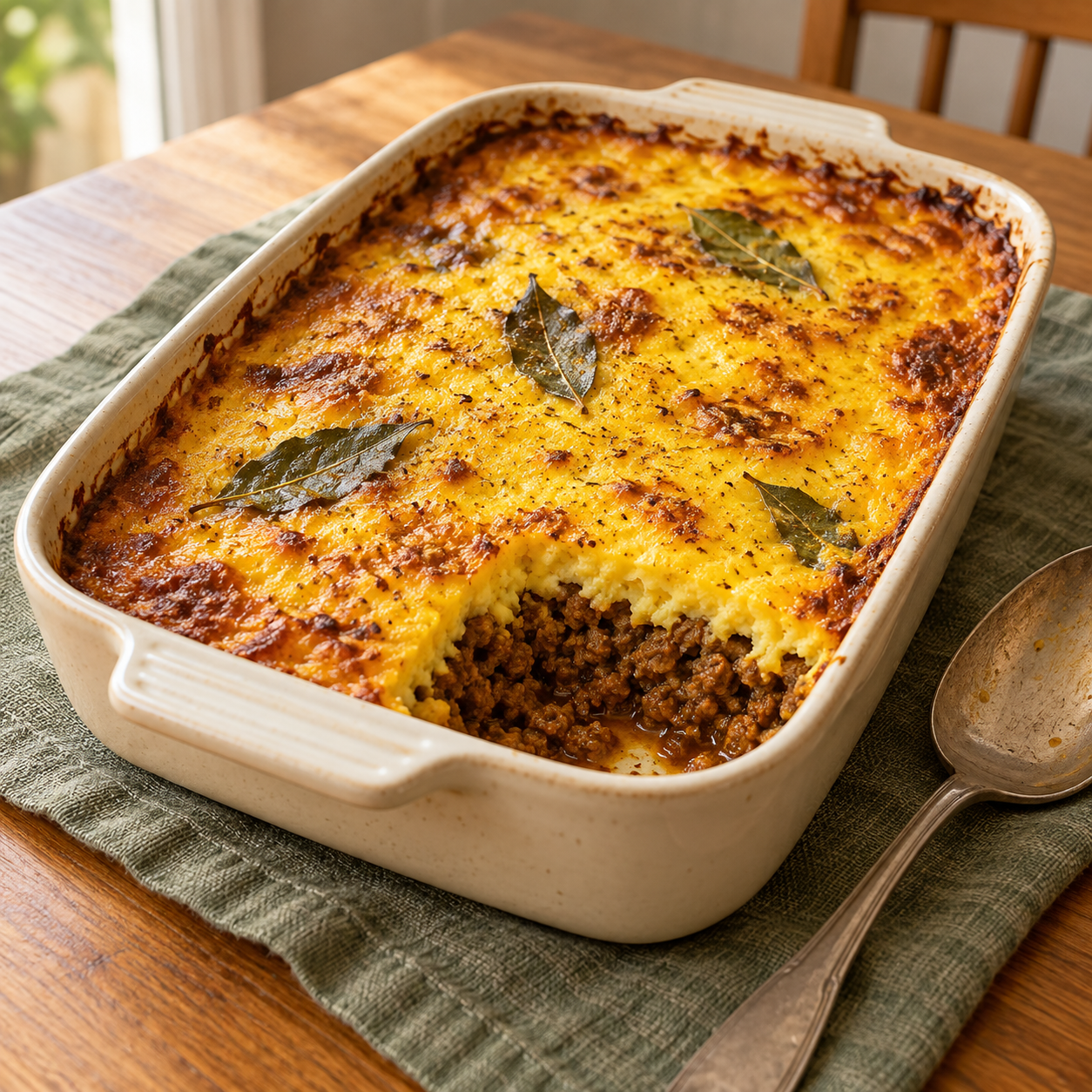
Saffa food is not known for being low carb. That night I had a boerewors roll, bobotie, samosas with Mrs Ball’s Chutney, and peri peri wings. To seal the deal, I had melktert and peppermint crisp tart. It was childhood on a plate. (If you’re missing bobotie too, here’s my lower-carb bobotie.)
And man, did I pay for it the next day. My ankle was pulsing, and my gut was not happy about all the wheat and sugar. That’s my body, and my CRPS. Yours might shrug the whole thing off. But that’s the trade-off I’m weighing every time.
A word about the keto police
I get really frustrated with the keto police in some online communities. Unless you’re making absolutely everything from scratch, every single day, it’s impossible to be as “perfect” as some of them claim to be. The preaching doesn’t help anyone, especially people who are still learning and doing the best they can.
I’ve been keto since 2020, and for me it’s a way of eating, not a test I can fail. It would never be sustainable, or enjoyable, if I felt constantly deprived. What works for me is finding lower-carb versions of my favourite foods, making swaps, and choosing whole foods first. I still eat non-keto food sometimes. I just don’t go as big as that braai night very often, because I hate the days of pain and feeling bleh that follow.
That’s my choice, and some people need to be much stricter for health reasons. I’m strict about some things too. I never eat fish or seafood, not even trace amounts, because I’m quite attached to my ability to breathe. It’s about being sensible for your own body.
And yes, I hate the term “cheat meal”. You’re not cheating anyone. You ate some food. The more useful question is whether the meal is worth what it costs you afterwards. Some meals are. Some aren’t. You’re the only one who gets to decide.
What’s actually happening in your body
This is the part that helps me not panic about the scales or the way I feel.
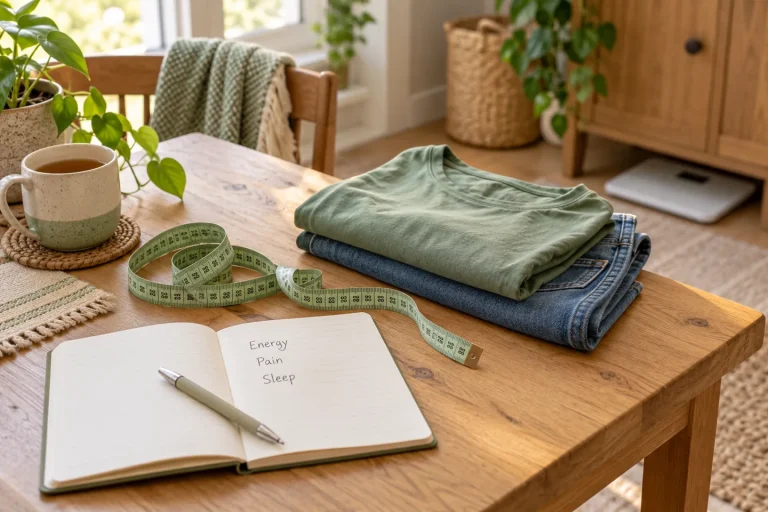
When you eat a lot of carbs after being in ketosis, your body tops up its glycogen. That’s the stored form of glucose, kept in your liver and muscles. Each gram of glycogen is stored with roughly 3 grams of water. So the jump on the scales the next day is mostly water, not fat. (It’s one reason I’d rather take measurements than trust the scale.)
Your body then has to work through that glycogen before it gets back into ketosis and goes back to running on fat. Depending on how big the night was and how active you are, that usually takes a day or a few. In the meantime, you might get a mini round of keto flu: headaches, tiredness and feeling flat.
Your liver and kidneys are already handling the clean-up. You don’t need a detox. You just need to stop topping up the tank.
How I get back into ketosis
Go straight back to your usual meals
No fasting penance, no starting on Monday. Our bodies are resilient. Your next meal is the reset, so make it a normal keto meal. If you’re unsure where your carb line sits, keto vs low carb is a good refresher.
Keep up the water and electrolytes
As the glycogen gets used, that stored water goes with it, and so do electrolytes. That’s when the keto-flu feeling hits. A sugar-free electrolyte mix helps me a lot.
I like Revitalise and Ultima Replenisher (affiliate link). Both are sweetened with stevia but somehow avoid that soapy aftertaste some stevia products have, and the flavours are genuinely nice.
Keep it simple and gentle
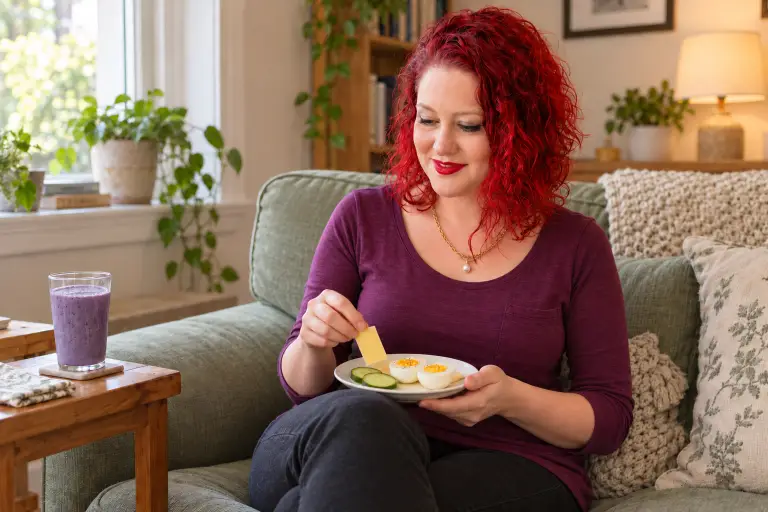
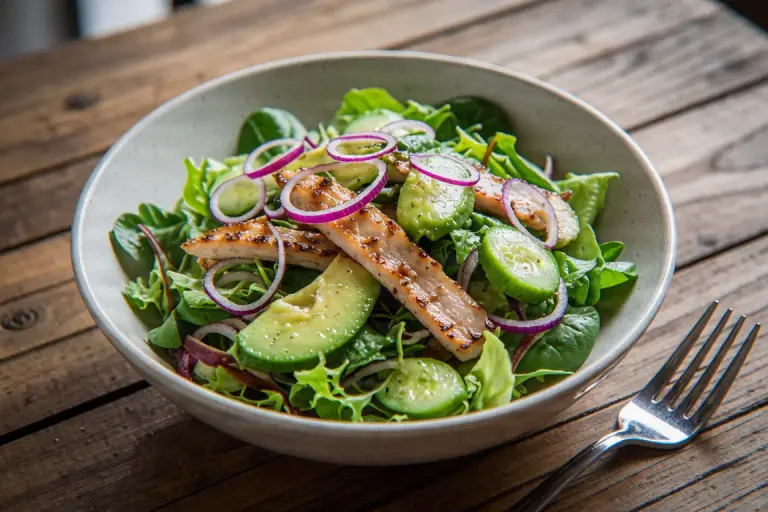
For a day or two afterwards, I eat mostly meat and a bit of cheese, in smaller portions more often. That’s just what works for me. It calms things down, and smaller meals are kinder on a sore gut. You don’t have to go that far. Any simple, low-carb meal you can stomach does the job.
Give your gut some fermented foods
I drink kombucha most days anyway, and I’ll add some plain Greek yoghurt, which brings protein and fat along with the live cultures. Check the label on kombucha, because some brands carry a fair bit of sugar. There’s more on why fermented foods are worth it in my look at the gut-brain axis.
Don’t beat yourself up
Life happens, and food is meant to be enjoyed. One big night doesn’t undo anything. Get back to your usual meals and be kind to yourself.
If the cravings are hanging around afterwards, especially on high-pain days, is pain fuelling your sugar cravings? might explain a few things. And it can help to remind yourself why you chose this way of eating in the first place. For me, it’s about pain, not perfection.