Preparing for medical appointments is a job in itself, and nobody mentions it’s unpaid. You wait months to see a specialist, you get about half an hour, and your brain picks that exact moment to delete everything you meant to say.
Burning Nights CRPS Support, a UK charity, has a very practical list of tips for pain appointments. I’ve pulled out the ones I’ve actually use, adjusted them for Australian appointments and added a few of my own. Most appointment advice assumes you have energy left to follow the appointment advice. This version tries not to.
Preparing for medical appointments: before you go
1. Write your story down once. Include when it started, your symptoms, what’s helped and what hasn’t. Add every medication, vitamin, supplement and cream, with the strength and how often you take it. “Magnesium” on its own tells a doctor very little. The form and the dose tell them a lot. If you’re unsure, photograph the labels or bring the boxes. Ask your GP for a summary of your tests and scans, and bring recent results.
2. Keep a diary you’ll actually keep up. A pain diary shows spikes, what you were doing at the time and any side effects. It’s also very easy to abandon. Three lines in your phone beats a beautiful chart you stop in week two. Burning Nights has a free pain diary template if you’d like one.
3. Collect questions as they turn up. Use a notes app or a notepad by the bed, and leave space for the answers. Then pick your top three and put them at the top. Good starters:
- What’s causing this?
- What are my options, and what are the trade-offs?
- What can I do while I wait?
4. Photograph the things that come and go. Colour changes, swelling, mottled skin, nail or hair changes can look completely different by the time you’re sitting in the clinic. A few photos, or a short video, beat trying to describe it from memory. My phone has a disturbing number of feet photos…
5. Take someone, and ask early. A second set of ears and a note-taker is gold when information is arriving fast. You’re still the one doing the talking. It’s your body and your story.
6. Pack the night before and check the time twice. Misreading a date is easy with brain fog, so set two reminders. Pack your referral or letter, paperwork, medications, diary, photos, questions, results, a list of allergies and your Medicare card.
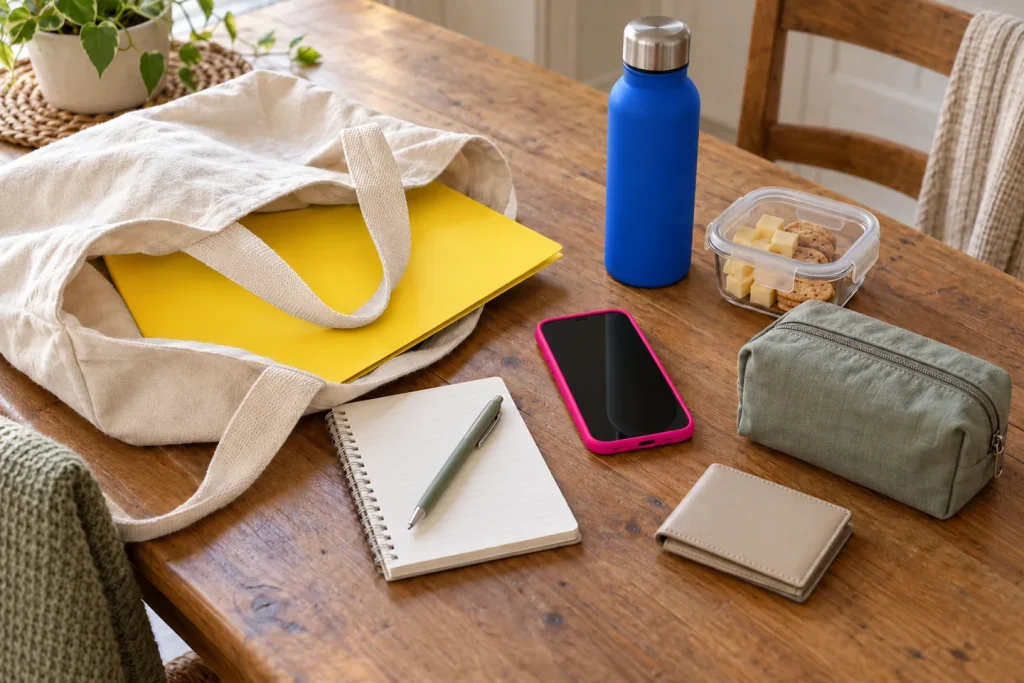
On the day
7. Arrive early and ask for what makes it manageable. Aim for 15 minutes early so check-in isn’t a sprint, and take a minute of slow breathing in the car. If sitting or standing for long is a problem, say so at reception. If the wait blows out, it’s fine to politely check you haven’t been missed.
8. Open with your top three. The doctor has their own list. A simple “the three things I most need from today are…” helps make sure the appointment covers what you came for.
9. Give the number and what it costs you. Burning Nights suggests being realistic with your 0–10 pain rating. I’d pair it with what the pain stops you doing. A 7 that means you can’t stand long enough to make dinner tells them far more than a 7 on its own. Expect questions about sleep, appetite, mood and daily tasks too.
10. Say so before the examination. If touch is painful, tell them first, ask what they’re about to do and ask to pause if you need to.
11. Ask for a second explanation. “Can you say that another way?” is a complete sentence. Don’t leave it for Googling in the car park.
12. Leave with a plan. Before you go, ask what happens next, what you can do while you wait, when the follow-up is and how long the wait is likely to be. Ask for a copy of any letter to your GP, and whether it will go into My Health Record if you use it.
After the appointment
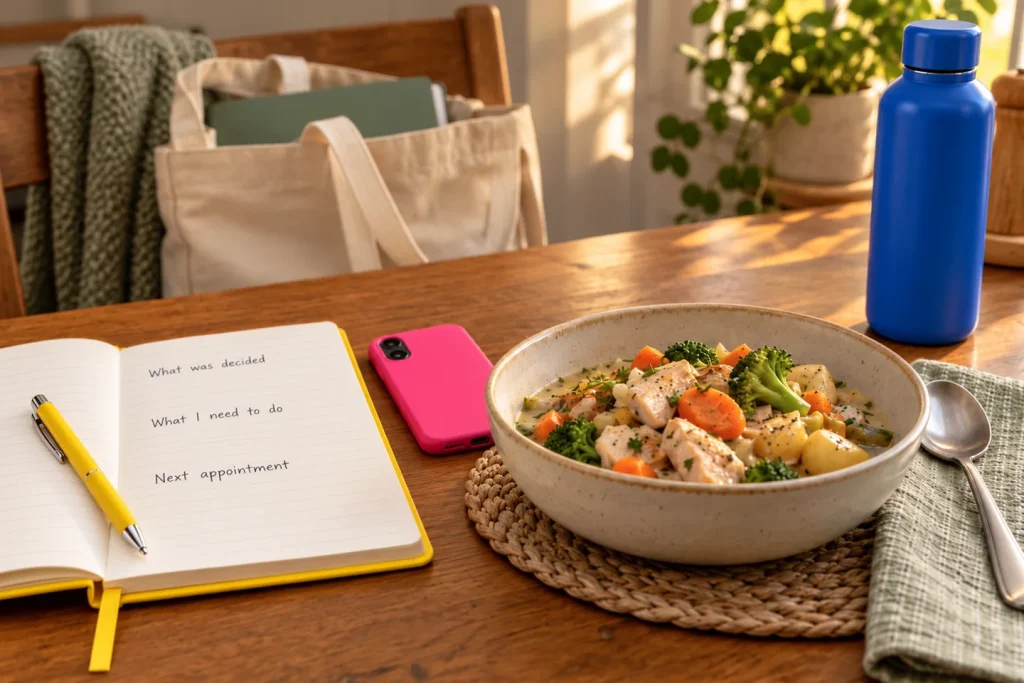
Appointments cost spoons before, during and after, so plan for the day as a whole. Eat something beforehand, because pain can flatten my appetite and an empty stomach doesn’t help a foggy brain. Pack water and a snack, and have dinner decided before you leave. A freezer meal or an assemble-only option is perfect.
Then write three lines the same day while it’s fresh: what was decided, what you need to do and when the next appointment is. Future-you will be grateful, and so will your GP.
Your turn: what would you add?
CRPS Warriors, and everyone else who has walked out of an appointment and remembered the question in the car park: what’s the one thing you do before an appointment that you wish someone had told you years ago?
Add it in the comments. I’ll fold the best ones into this post, and you can be credited or stay anonymous. If someone you know has an appointment coming up, send this their way. Save it to your phone too, so it’s there when your brain isn’t.
This is what works for me, plus what a patient charity recommends. It isn’t medical advice. Your GP or specialist can tailor it to you.
Sources: Burning Nights CRPS Support, Preparing for Pain Appointments