No Spoons to Cook · CRPS resource guide
Everything I wish someone had handed me at the start.
A CRPS diagnosis can be overwhelming. There is still a lot nobody knows about why it develops or which treatments work best, and plenty of doctors, specialists and allied health professionals know very little about managing it. I’ve met a few of them.
I was diagnosed in 2020 after complications from a broken ankle. This page is what I’d have wanted that first week: what CRPS is, what has helped me, and the communities that made it feel a lot less lonely.
New to spoons? Start with What is spoon theory?
This is my experience, not medical advice. Everything here comes from my own research and living with CRPS. Please talk to your treating clinician before you change your care plan. This page contains affiliate links, and you can read how we choose products in our editorial, health and sourcing policy.
The basics
What is CRPS?
Complex Regional Pain Syndrome, formerly called reflex sympathetic dystrophy (RSD), is a chronic pain condition. It usually affects one limb, typically after an injury, surgery or other trauma. The pain is far bigger, and lasts far longer, than the original injury would explain.
The cause is still being researched. What we know is that the nervous system misfires: the central and peripheral nervous systems send abnormal pain signals, and inflammation and blood flow are affected too.
Descriptions go back centuries, but it was first properly documented in the 1860s, by doctors treating soldiers wounded in the American Civil War.
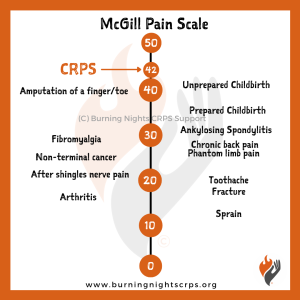
Common symptoms
Intense burning pain
Swelling
Skin changes: temperature or colour
Allodynia: sensitivity to touch or cold, where things that shouldn’t hurt, like a bedsheet, do
Paraesthesia: pins and needles, tingling, numbness or crawling sensations
Nail and hair changes: different growth patterns
CRPS is not in your head. It is a real, physical condition.
Burning Nights CRPS Support makes this point clearly, and I’m repeating it for the people at the back. Past psychological or mental health issues don’t cause CRPS, whatever some medical professionals still believe. Living with constant pain can certainly lead to mental health struggles, but that’s the pain affecting the mind, not the other way around.
Some doctors, pain specialists included, fundamentally don’t understand this. My strong recommendation, from personal experience: find another specialist. Being gaslit by someone who thinks it’s in your head is never okay.
What's in my mix
Managing CRPS: what has helped me
There is currently no cure for CRPS. Some very promising treatments are emerging, and some people do go into remission. What works is incredibly individual and, in my experience, it’s rarely one thing. It’s a handful of approaches that support each other. This is mine.
Clinic and care
Medications
This is where most people start. I was lucky: my GP was on the ball, and by diagnosis we’d already worked through the conventional options. The first three pain specialists I saw had nothing else to offer and kept pushing the standard medication path, even though I wasn’t tolerating it well. Some people get great results. For me, the side effects outweighed the relief.
Two things I’d suggest to anyone:
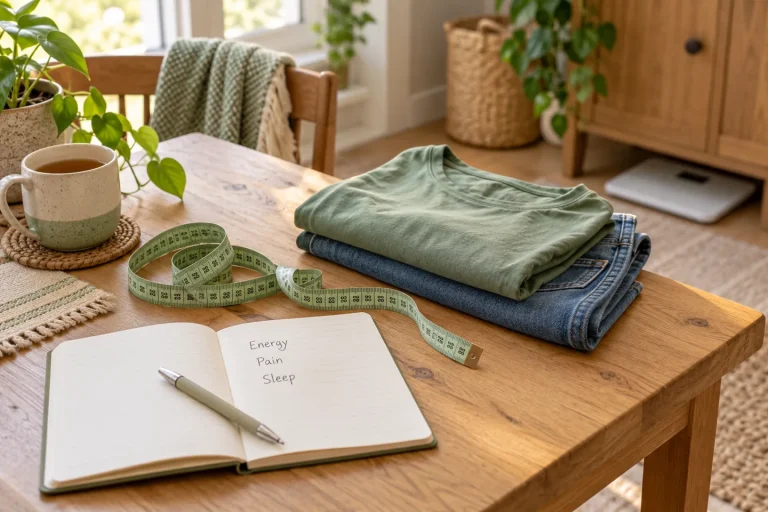
- Keep a journal of what you take and how it makes you feel. Pain brain and medication fog are real, and having it written down made conversations with my care team so much easier.
- Do your own reading and write your questions down before appointments. It’s your body, and you’re the one living with the side effects.
Physiotherapy
Physio has its place. I think I’ve seen eight different physios, with mixed success. Staying as mobile as you can matters for a lot of reasons, but it’s a balance. Managing a chronic pain condition is very different from rehabbing an injury, and some physios simply aren’t skilled in the first. Finding one who understands CRPS, and the limits you’re working with, makes a big difference to your outcomes, your pain levels and your sanity.
Acupuncture
Acupuncture has been amazing for me, although it can be painful. A practitioner with experience in CRPS or fibromyalgia has been essential. I’m not sure it has done much for my overall pain levels, but it supports my nervous system as a whole and takes the pressure off other systems in my body.
Day to day
Ketogenic diet
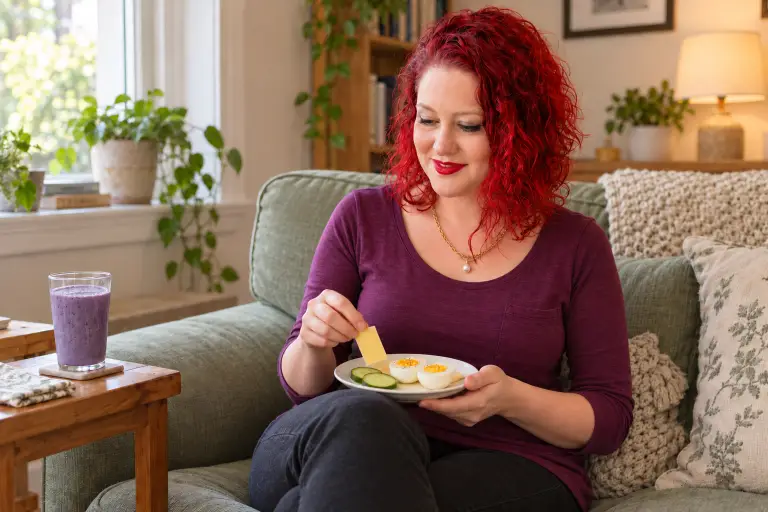
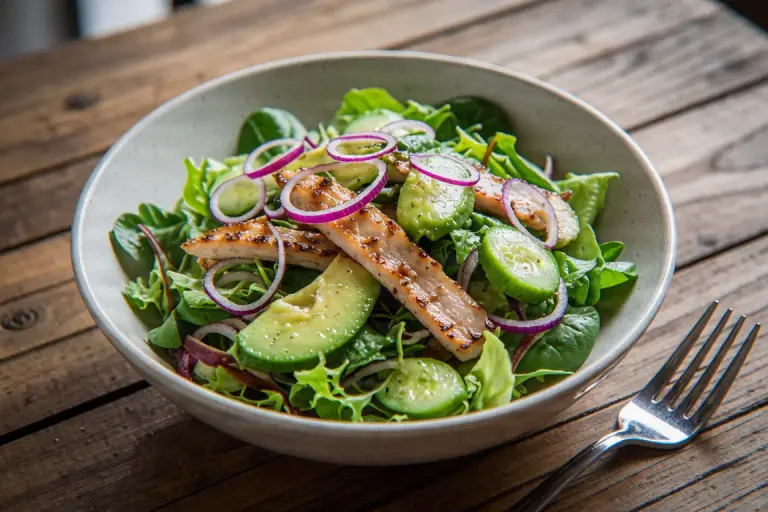
Keto has been one of the cornerstones of my pain management since late 2020. There’s growing research interest in how ketogenic and higher-fat, higher-protein diets might affect inflammation and nerve pain. It’s promising rather than proven, but it has made a real difference for me. Food is the reason No Spoons to Cook exists. It’s also something most pain specialists never raise. I was on my fourth before anyone mentioned diet as part of treatment. Meglio Therapeutics include diet change in an overall care plan, and more pain programs are starting to talk about it openly.
Supplements
Also very individual. I’ve spoken with people who manage their pain largely through supplements and diet. After a lot of trial and error I’ve landed on a handful that help me, and some of that came from Katinka van der Merwe’s book. Tell your care team what you’re taking. Some supplements interact with medications.
Hydrotherapy
Hydro and I have a love-hate relationship. Plenty of people get great results from it, and consistency is the key with any therapy. My allodynia decides how consistent I can be. What I do get relief from is a hot bath with a generous amount of Epsom salts.
Drug-free devices
Scrambler (Calmare) Therapy
Scrambler Therapy was the turning point in getting my pain under control. It’s drug-free and non-invasive. Electrodes on the skin send “non-pain” signals along the same nerves, with the aim of helping your brain stop reading the area as painful.
Oska Pulse (PEMF)
Oska Pulse is a more recent addition to my routine. It’s another drug-free, device-based option, using pulsed electromagnetic field (PEMF) therapy aimed at pain and inflammation.
My Oska Pulse experienceOska Pulse Australia discount code (affiliate)
Running low on spoons right now?
No Spoons Day recipes are assemble, heat or unwrap. Dinner, without the cooking.
You're not on your own
CRPS resources and online communities
If you've just been diagnosed, here's where I'd start
- Find people who get it. The Aussie and Kiwi Facebook group below is one of my favourites.
- Learn the lingo. Burning Nights’ A-Z of CRPS medical terms makes appointments less baffling.
- Prepare for your pain appointment. My tips for navigating through the pain and the medical system.
- Get the Australian picture. The Purple Bucket Foundation’s patient resources cover treatment options here, with material for clinicians too.
Facebook groups
Australia and NZ
A private group for Aussie and Kiwi people with CRPS and their support networks. Well moderated, active, with a great sense of humour, and people share their experiences of treatments and aids generously. The Files section has resources to take to new clinicians, your dentist and your family.
Global
A private global group moderated by the wonderful Dawn Hall. It has a wicked (sometimes very dark and adult) sense of humour. People do ask questions and share advice, but mostly it’s a fabulous distraction.
Global
A private global group where people share a lot about treatment options and ask a tonne of questions. It’s generally supportive, and very North America-focused. It’s where I first heard about Scrambler Therapy.
Charities and information
Australia
An Australian charity raising awareness of, and support for, CRPS. The site has Aussie-specific information and some fun merch that funds their advocacy.
- Patient resourcesCRPS and the treatment options available in Australia, plus resources for clinicians.
- Their Facebook pageCurrent treatment information, funny memes, and a positive way to connect with the Australian CRPS community.
UK
A UK charity started by someone with CRPS around 2014. A lot of their support is UK-based, but the information is excellent wherever you are.
- A-Z of CRPS medical termsFabulous for learning the lingo.
- 18 tips for preparing for your pain appointmentA lifesaver when I was first finding my way.
- Clinical trialsFor me, a page of hope. A good roundup of research underway.
- Their Facebook pageA great resource and a good reframe on a tough day.
United States
Dr Chase Teagarden and The Window Pain
I’ll be honest: I’m usually wary of anyone talking about CRPS remission. There’s a lot of hope being sold out there, and not all of it is backed by much. Chase is different, because he has lived it.
- A uni student chasing a college football spot. He herniated a disc in his lower back.
- Surgery, then CRPS. Ten days after surgery he developed CRPS in his left leg.
- Told it was normal. A fistful of medications, a two-year wait for a specialist centre, and a leg so sensitive he couldn’t wear a sock. He ended up on a walking frame.
- Worked his way out, then studied pain. He was on both sides of the appointment.
- Now. Doctor of Physical Therapy (a physio, in Australian terms), Therapeutic Pain Specialist and Fellow of Pain Science. No longer living with daily pain.
That combination is what gets my attention. He has been the patient being written off, and the clinician who understands what’s happening in the nervous system.
His work centres on pain science and nervous system retraining: understanding pain itself, desensitising allodynia, and rebuilding confidence in moving your body again.
He’s also set to appear in Trial by Fire II, an upcoming CRPS documentary from filmmaker Charles Mattocks.
His documentary about recovering from CRPS.
A goldmine. “Overcoming CRPS” stories from people who’ve reached remission, Q&A sessions, and practical desensitisation videos on where to start, allodynia and hyperalgesia, and the tools he recommends.
His website, pulling together videos, book recommendations and a summary of current CRPS research. You can also join his email list for free resources.
A paid, self-guided program, plus one-on-one pain coaching. He offers both internationally, including to Australians.
Keep exploring
More from No Spoons for living with CRPS
Pain, food and energy are tangled together, so this is where I’d wander next. Everything below is on this site.
Start here
- Start here
- What is spoon theory?The “spoons” behind our name
- Meet Leigh and Kerry
- Join our Facebook community
Pain, food and eating
Treatments and care
Books and brain hacks
- Putting Out the FireKatinka van der Merwe
- Inside-Out HealthOne of the first books I read after diagnosis
- PlantEm’s Essentials
- Spoonie brain hack: SpeechifyHow I got reading back after CRPS
Cook by spoons
- No Spoons DayAssemble, heat or unwrap
- Low SpoonsAbout 20 minutes
- More Spoons
- Freezer friendly
- Batch cook
- Fast feed
- Meal plans
- Browse every recipe
Disclaimer: No Spoons to Cook shares what has worked for us, based on our own lived experience and research. It isn’t medical advice. Our recipes are built around keto and low carb ways of eating, with a focus on whole foods and ingredients we find easier on inflammation. Bodies, conditions and medications all differ, so what suits us may not suit you. Stay curious, ask questions and listen to your body. Where you can, work with your GP or an Accredited Practising Dietitian to tailor your eating to your care plan and goals. Read our editorial, health and sourcing policy.
More in our CRPS & chronic pain series
- What Patient-Led Care Means When You Live With CRPS (and a Scrambler Therapy Update)
- Scrambler Therapy (Calmare) for CRPS
- Putting Out the Fire: New Hope for RSD/CRPS by Katinka van der Merwe
- Oska Pulse and CRPS: My Experience with a PEMF Device
- Inside-Out Health by Dr. Robert G. Silverman
- PlantEm’s Essentials
- Chasing pain: why eating matters
- Preparing for Medical Appointments: My Top Tips